
November 5, 2026
OpenAI could be ready to go public in 2027, according to company president Greg Brockman, who also revealed that enterprise customers now account for the majority of OpenAI’s revenue.
Speaking at The Wall Street Journal’s technology conference in Napa, California, on November 4, Brockman said the company has been expanding its business-focused AI offerings as competition with Anthropic intensifies.
When asked whether OpenAI would be ready for an initial public offering (IPO) next year, Brockman replied, “I think so,” Reuters reported.
His comments suggest growing confidence in OpenAI’s business, although they do not establish a confirmed IPO date.
Enterprise AI Is Now OpenAI’s Biggest Revenue Driver
OpenAI became widely known through ChatGPT, but its revenue mix is changing.
According to Brockman, business customers now generate more revenue than consumer customers.
That shift reflects OpenAI’s efforts to sell AI tools and services directly to organizations, including software development products such as Codex.
Enterprise customers can provide recurring revenue through business subscriptions, API usage and larger commercial agreements.
For OpenAI, expanding these relationships is increasingly important as the cost of developing and operating advanced AI systems continues to rise.
The company did not disclose a new total revenue figure in Brockman’s remarks.
Competition With Anthropic Is Intensifying
OpenAI’s enterprise expansion comes as rival Anthropic competes for many of the same business customers.
Both companies offer AI models and tools for professional use, including software development and enterprise workflows.
Brockman specifically highlighted OpenAI’s efforts to promote Codex as part of its business strategy.
The competitive stakes extend beyond product adoption.
Anthropic is also pursuing a potential stock market listing, increasing attention on how leading AI developers generate revenue, finance infrastructure and demonstrate sustainable growth.
For a broader comparison of their consumer-facing assistants, see Radavora’s ChatGPT vs Claude comparison.
Why a 2027 OpenAI IPO Matters
An IPO would allow public-market investors to buy shares in OpenAI and would subject the company to greater financial disclosure and investor scrutiny.
Investors would likely pay particular attention to:
- Revenue growth: How quickly enterprise and consumer sales are expanding.
- AI infrastructure costs: How much OpenAI spends on computing capacity and model development.
- Profitability: Whether rising revenue can eventually support the company’s operating costs.
- Competition: How OpenAI performs against Anthropic and other AI providers.
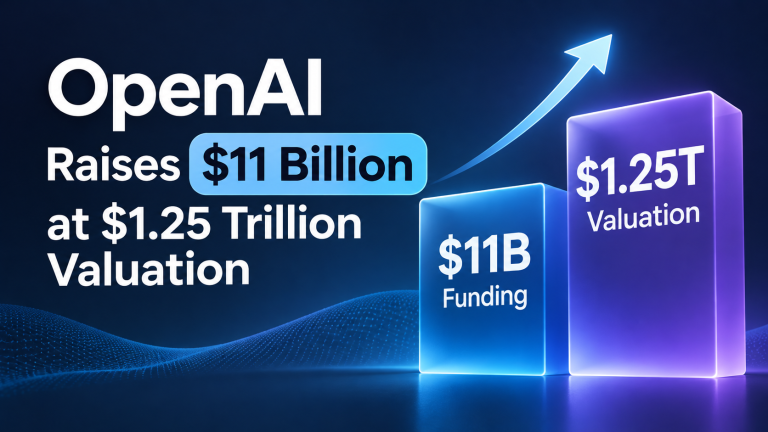
OpenAI has been pursuing substantial fundraising to support its expansion.
However, being ready for an IPO is not the same as committing to one. Market conditions, financing needs and management decisions could still affect the timing.
What Happens Next?
Brockman’s remarks put 2027 firmly in focus as a possible year for OpenAI’s public-market debut.
But the more immediate development is the company’s changing business model.
With enterprise customers now contributing most of its revenue, OpenAI is becoming increasingly dependent on selling AI capabilities to businesses rather than relying primarily on consumer demand.
The key question is whether that enterprise growth can continue while OpenAI manages the enormous costs of competing at the frontier of AI development.
For now, a 2027 IPO remains a possibility, not a confirmed event.
Sources
- Reuters — OpenAI, Ready to IPO in 2027, Now Counts Majority of Sales From Enterprises, Brockman Says (November 5, 2026)
- The Wall Street Journal — OpenAI Had ‘Rough’ First Half of Year Before Coding Takeoff, Brockman Says (November 5, 2026)
Editorial disclosure: This article is based on publicly reported statements and independent news coverage available on November 5, 2026. Radavora has not independently verified OpenAI’s private financial figures. The reported 2027 IPO timeline reflects management expectations, not a confirmed listing date.